Google adds Cloud Trace to Agent Gateway in preview
A new Google Cloud preview connects Agent Gateway traffic with distributed tracing to help teams investigate requests across agents, services and tools.

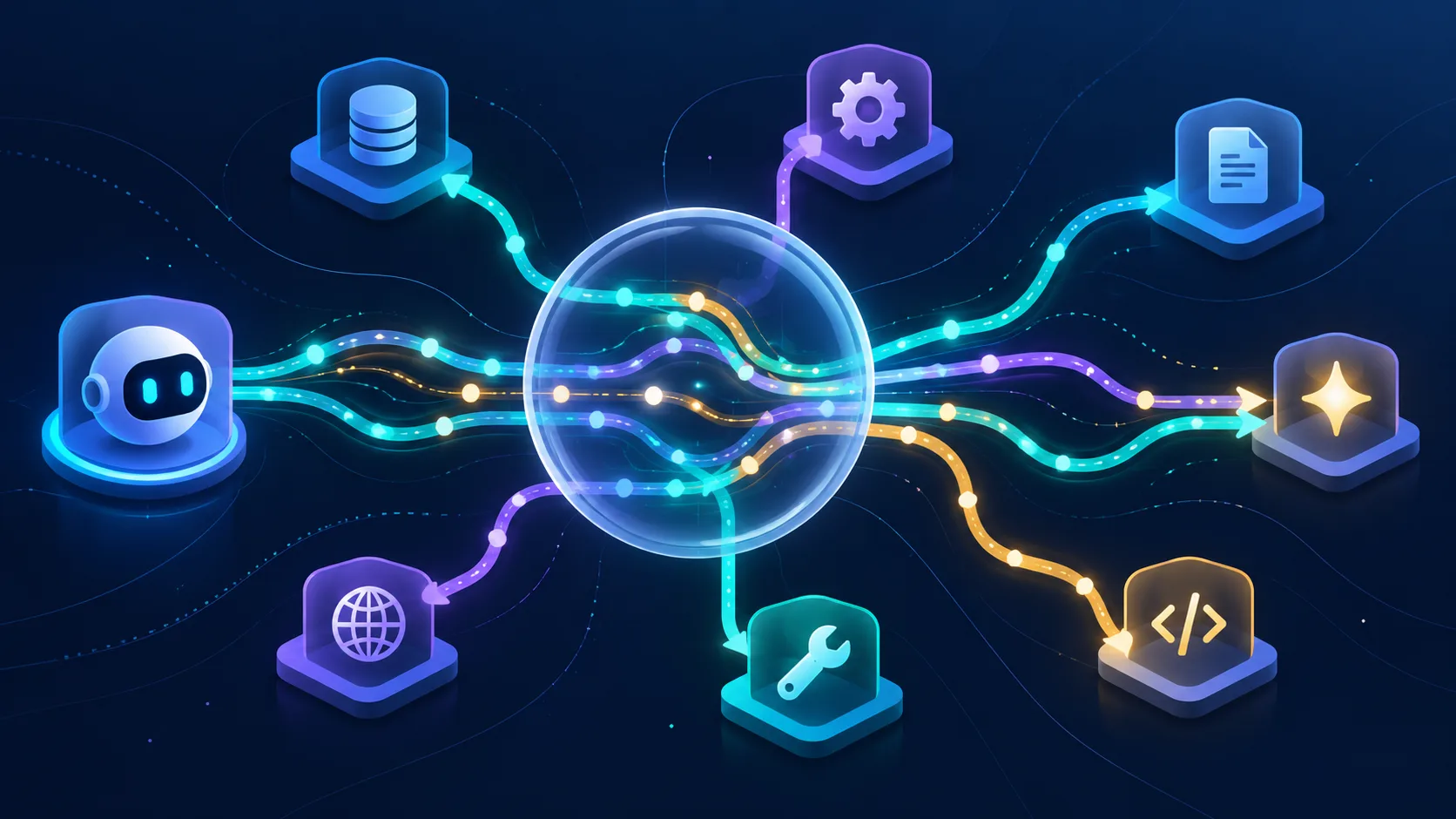
Google Cloud added a Cloud Trace integration for Agent Gateway in Preview on September 30, according to its Gemini Enterprise Agent Platform release notes. The integration follows requests through a gateway and onward to services, agents, tools and Model Context Protocol servers.
For teams operating agents that call several services, the practical question is often where a request slowed down or failed. Connecting those steps can make an investigation more specific than treating the whole agent run as one opaque event.
Following a request across tools
The Agent Gateway guide describes support for OpenTelemetry and W3C TraceContext. A shared trace identifier connects gateway spans with request logs, helping operators compare gateway delays with time spent at a destination tool or server.
Google’s tracing data model separates a complete request from its individual operations. Each operation becomes a span with its own timing and status. Parent identifiers preserve the relationship between calls, while a common trace identifier groups the pieces into one request history.
Cloud Trace’s existing analysis tools let users inspect individual traces and compare latency patterns. Observability Analytics can also query trace and log data together. Those capabilities provide the analysis layer around the newly announced gateway connection.
Setup and sampling still matter
Administrators enable gateway tracing through an observability policy. Configuration and viewing require appropriate IAM roles, and the relevant service accounts need permission to write spans. If an initiating workload exports its own parent spans, that workload also needs the required writing role.
Sampling controls determine how much traffic is captured. The gateway can honor sampling decisions made upstream. Google recommends small baseline samples for busy production systems to balance diagnostic coverage against ingestion costs.
The connection remains a Preview feature, with the support limits that status carries. Correct instrumentation and propagation of tracing context remain necessary for a connected view of the request.
Decide what the trace should contain
The broader Cloud Trace documentation says agent instrumentation can collect prompts and responses as well as tool call spans. Teams should therefore review what their chosen instrumentation records and who can access that data. Enabling a gateway integration alone does not establish what every connected application collects.
ByteForward has not independently tested this preview. Its immediate value is a more connected way to investigate agent requests, with deployment choices still determining how complete and useful the resulting record becomes.
Related coverage examines Gemini CLI file handling and unattended workflow fixes.
Featured image is an original AI generated conceptual editorial illustration.