OpenAI rolls out dots for ongoing work across connected apps
OpenAI dots can work across connected apps between conversations. The rollout comes with plan and region limits, separate task usage and memory controls to review.

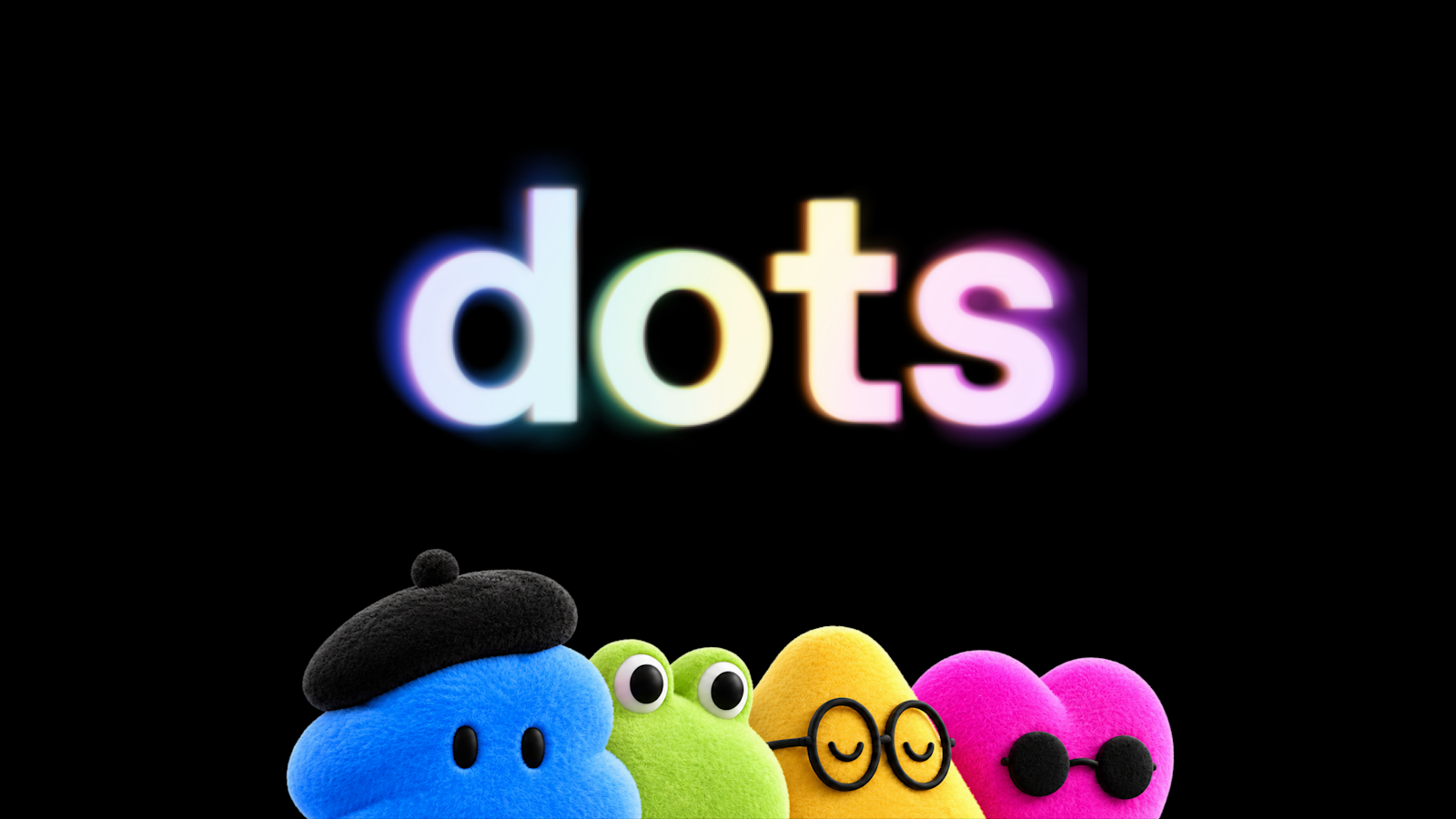
OpenAI introduced dots on September 29 as agents intended to keep working between conversations. Powered by GPT 6 Astra, they have their own cloud computers and can use connected applications to pursue tasks over time.
The launch puts a different kind of question in front of users. Beyond whether an answer is useful, they need to decide which information an agent can keep using, which actions it may take and what should return for review. Those boundaries become more important when work continues after a conversation ends.
Access depends on plan and region
The getting started guide specifies the initial availability rather than promising access to every paid account.
| Plan | Initial availability |
|---|---|
| Pro | Markets outside the European Economic Area, Switzerland and the UK |
| Business Premium | All supported ChatGPT regions |
| Enterprise, including Edu and Healthcare | Beta that an administrator must enable |
The Enterprise beta starts disabled. Rollout is gradual and may take several days. Initial creation requires the desktop app or desktop web. Mobile cannot create a dot, and mobile web is unsupported.
Access to a user’s own computer is optional and starts turned off. Enabling it allows work in separate local tasks. A dot’s own cloud computer and permission to use a personal machine are separate parts of the setup.
Conversations and delegated tasks use different allowances
The launch announcement says a first dot is included with Pro or Business Premium at no extra cost. It includes an allowance for deeper work, with extended limits during the first month after launch.
Conversations with a dot do not count toward ChatGPT usage limits. Tasks that it starts or manages in Codex or ChatGPT Work count toward those limits as usual. Users should therefore distinguish talking through a project from having the agent execute substantial work on it.
App access deserves an explicit review
OpenAI’s privacy and safety FAQ says plugin permissions are shared across dots, ChatGPT, Work and Codex. Existing connections can be used within their granted permissions. Users should review those connections as part of deciding what the new agent may work with.
The FAQ also explains that disconnecting a service stops new access without removing information already retained. Individual remembered details cannot currently be viewed or deleted separately. Deleting the dot removes its own retained context, while files and conversations stored elsewhere remain separate.
For business, enterprise and education workspaces, OpenAI says customer data is not used for model training by default. Personal users’ model improvement settings govern eligible conversations and work. Dots are not yet available to people under 18.
These are meaningful setup decisions. Someone connecting a work inbox or project archive should consider both the immediate task and the information that may remain relevant later. A narrowly scoped trial makes those decisions easier to inspect.
The useful test is completed work
Our report on coding agent model economics emphasizes the cost of a finished job rather than a single response. An ongoing assistant deserves a similarly practical evaluation.
Choose a bounded responsibility, define what completion looks like and specify which decisions need approval. Then inspect the output, corrections and review time. The opportunity in dots is sustained help across a project. The launch announcement alone does not establish how reliably that will work for a particular person or organization.