Antigravity adds direct subagent messages and fixes rules
Google’s September 30 Antigravity update brings direct subagent messaging, PDF export and a fix for custom agents that ignored global and project rules.

Google’s Antigravity 2.19.1 update lets users send a message directly to a subagent from the message box. The September 30 release notes also list a fix for custom agents ignoring global and project rules, a detail worth checking for anyone relying on reusable agent instructions.
The release adds practical controls around delegated work. A developer can address the worker handling a particular part of a task, while the rules fix addresses whether that worker receives the constraints it is supposed to follow. Google says updates roll out gradually and may take several days to reach everyone.
A more direct route into delegated work
Antigravity’s subagent documentation describes separate background sessions for tasks such as code research and implementation. They can share a workspace, use an isolated Git worktree or share directory storage. A new worker starts without the parent conversation history, which makes a clear initial assignment important.
Direct messaging provides another opportunity to correct that assignment. If a worker is investigating the wrong module, the person supervising it can send the relevant context to that worker. The benefit is a shorter route for clarification. The release notes do not quantify any reduction in completion time or improvement in code quality.
The documentation also describes inherited command permissions, file access scopes and sandbox settings. Approval requests can surface in the main interface or a subagent panel. Sending a worker a message should therefore be understood separately from changing the environment or permissions under which it operates.
Why the rules fix deserves attention
Google’s rules guide defines rules as persistent instructions for coding standards and architectural constraints. Antigravity combines instructions from global, workspace and directory scopes, with more specific directory instructions taking priority when they conflict. Teams may use these rules to record conventions that should remain consistent across tasks.
That background makes the custom agent bug more consequential than an ordinary display problem. A rule that exists on disk has little value if the agent expected to use it ignores it. Google says the September 30 version fixes that behavior. The announcement does not provide a list of affected earlier versions or an independent audit of the repair.
A sensible verification step is to give a custom agent a small task with an easily checked project convention. Review both the result and the applicable rule configuration. The rules documentation separately warns that invalid activation metadata can cause some rule files to be discarded, so a software update cannot correct every configuration mistake.
Export and undo controls round out the update
Rendered Markdown in artifacts and files opened in the side pane can now be exported to PDF, including tables, code blocks and diagrams. The undo dialog also gains an option to revert only the conversation. Other changes include reopening the window from the tray on Windows and Linux and making select all apply to the focused pane.
For users supervising several pieces of work, the main value is more precise intervention. They can clarify a worker’s assignment, inspect whether their rules were followed and export a finished artifact without treating every correction as a reason to restart the whole conversation.
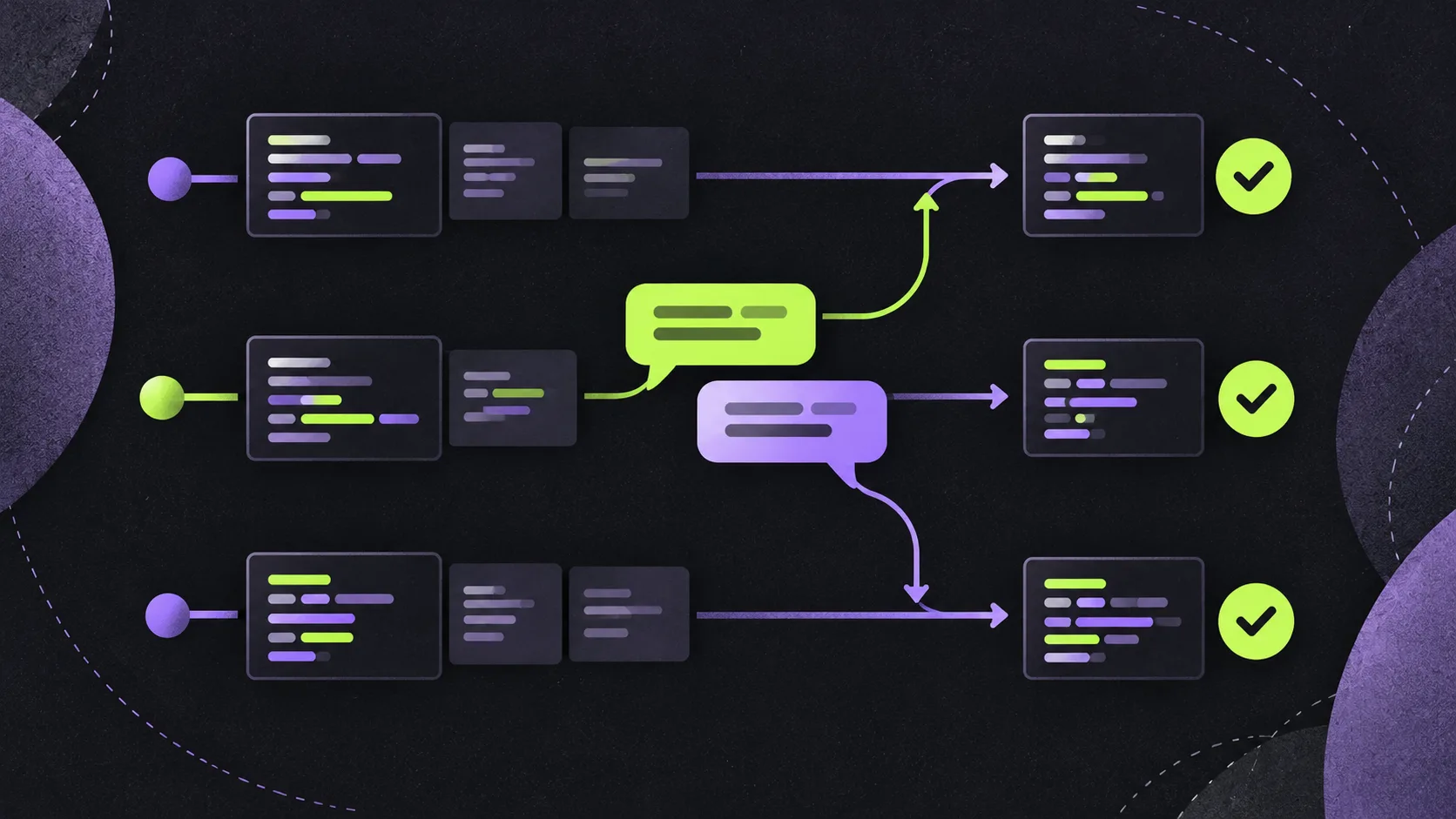
Featured image is an original AI generated editorial illustration.