NVIDIA announces financing partnerships for AI factory development

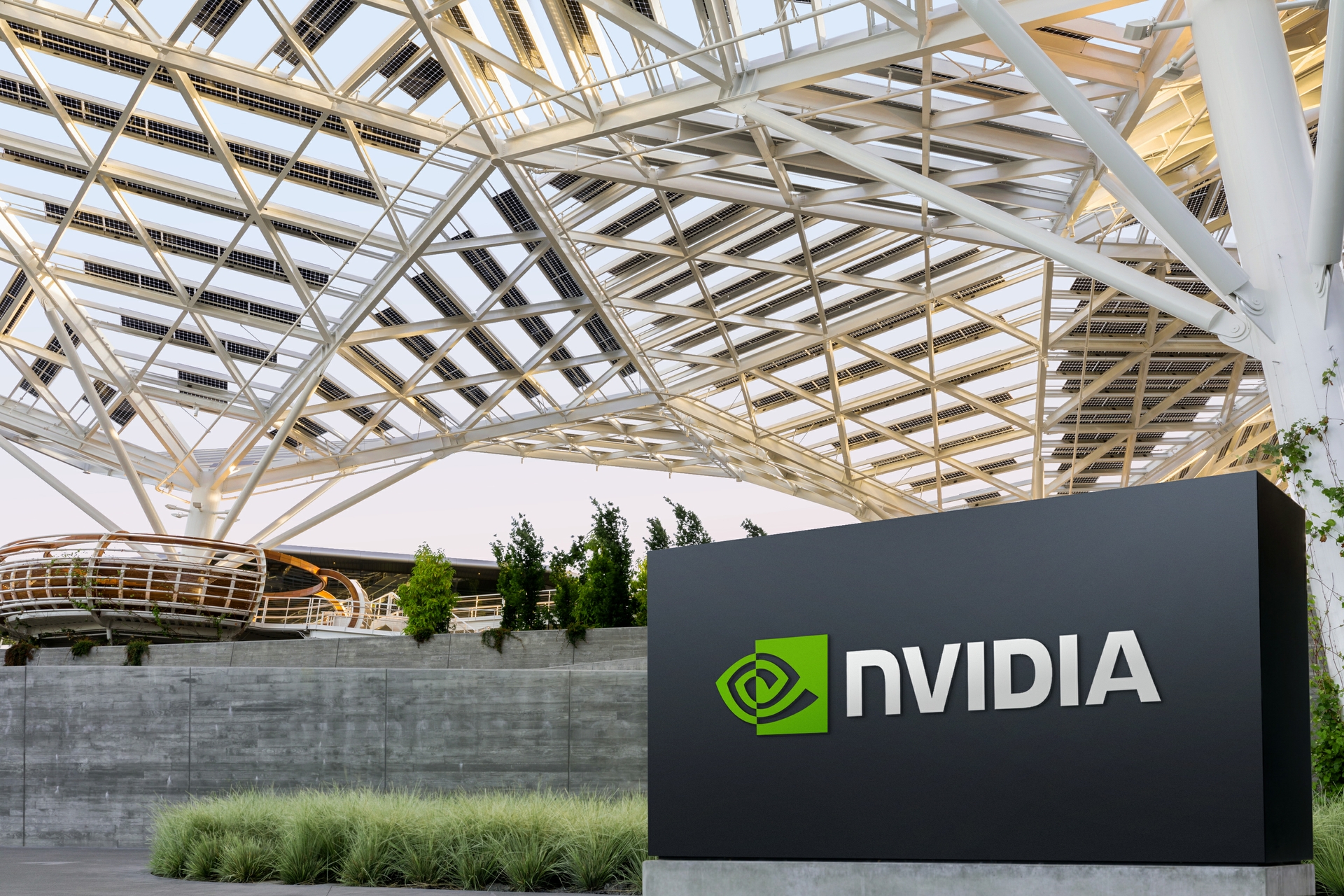
NVIDIA just tried to turn GPUs into something pension funds can underwrite. On August 10, the company announced MOUs with six Wall Street giants to mobilize more than $500 billion of third-party capital for AI infrastructure. The pitch is not another chip preorder. It is compute as an investable asset class with usage-linked revenue and long-duration capital behind DSX AI factories.
Which Wall Street firms signed MOUs
The roster is the private-markets A-list: Apollo, BlackRock, Blackstone, Brookfield, Goldman Sachs, and KKR. Each signed a memorandum of understanding to help stand up independent compute financing platforms. NVIDIA says the platforms will create dedicated capital pools at scale and at attractive rates for its customers — frontier labs, enterprises, and AI clouds that need scarce capacity without carrying every rack on their own balance sheet.
These are still MOUs. NVIDIA’s own release flags that the partnerships remain subject to final agreements. Treat the $500B-plus figure as a mobilization target over time, not cash already wired into one fund.
What investable AI compute means
Jensen Huang framed the shift bluntly: NVIDIA started by building chips; now it wants AI factories treated as productive infrastructure. In the company’s language, compute is revenue. The asset story rests on CUDA stickiness, fungibility across customers and operators, and software that extends useful life so the iron keeps earning after the first offtake contract.
Apollo’s Jim Zelter called modern compute a scarce, mission-critical asset class. BlackRock’s Larry Fink tied the deal to deeper NVIDIA ties, including the AI Infrastructure Partnership. Goldman’s David Solomon went further and talked about creating a market for credit backed by NVIDIA compute. That is the tell: Wall Street wants a security that looks like infrastructure debt with token economics underneath.
How DSX factories get financed
The structure is meant to broaden access to DSX factories without forcing every buyer to self-fund the build. Financing platforms sit beside NVIDIA’s hardware and software stack. Customers get capacity. Capital providers get long-duration, usage-linked cash flows. NVIDIA keeps selling chips and driving CUDA adoption while someone else’s balance sheet carries more of the plant.
For hyperscalers and neoclouds already deep in the NVIDIA stack, this is cheaper optionality on the next cluster. For countries and enterprises that cannot write a ten-figure CapEx check, it is the path NVIDIA wants them on. The offtaker ecosystem is the collateral story: demand has to show up, or the “asset class” looks like stranded silicon.
Risks if capital outruns demand
Half a trillion dollars of intended capital is also half a trillion dollars of stranded-asset risk if utilization slips. Power, interconnect, and construction timelines still gate every factory. Final docs can shrink, delay, or reprice the platforms. Competitors will keep pushing alternate stacks; CUDA fungibility is NVIDIA’s answer, not a law of physics.
Analysis: this is NVIDIA recruiting permanent capital so customer CapEx stops being the bottleneck on GPU absorption. If the MOUs harden into real platforms, compute financing becomes another distribution channel for NVIDIA iron. If demand softens, the same machinery that scaled the boom will advertise the overhang. Watch which firm closes the first dedicated vehicle, at what size, and with what offtake covenants.


[…] coverage of NVIDIA’s infrastructure financing partnerships explores the broader push to fund AI factories. For operators, access to capital and the ability to […]