Netflix discloses a $587 million price for InterPositive

Hollywood’s loudest AI acquisition now has a line item. In a deeper second-quarter SEC filing, Netflix put the InterPositive purchase at about $587 million, confirming the March ballpark Bloomberg floated and turning a celebrity-adjacent rumor into a hard capital allocation.
That is real money for a small production-AI shop. It is also Netflix saying gen-AI is no longer a side experiment on the earnings call.
What the filing says Netflix paid
Deadline reports the figure appeared Friday in Netflix’s fuller Q2 overview, after a shorter filing and shareholder letter the day before. Coverage of the disclosure quotes the 10-Q language: in March 2026 the company completed an acquisition accounted for as a business combination for a total purchase price of approximately $587 million, consisting of cash consideration. The filing does not name InterPositive; the date matches Netflix’s March announcement of the deal.
Netflix had not previously confirmed the Bloomberg estimate of around $600 million. The new number closes that gap without adding a purchase-price bridge, earnout schedule, or Affleck’s personal take. Outside investors sat on the cap table, so the headline should not be read as one founder’s check.
What InterPositive was built to do
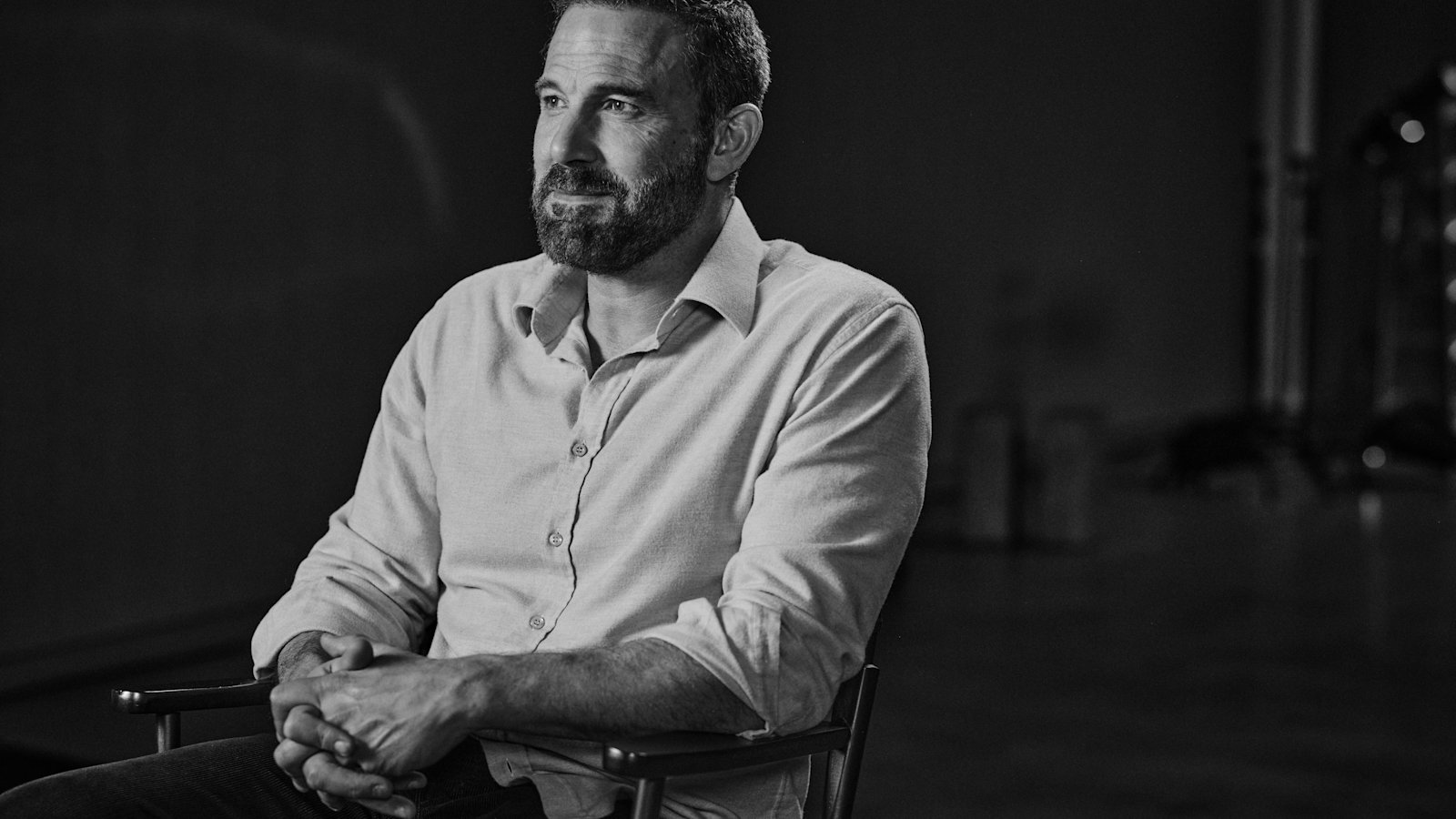
Ben Affleck is the sole founder of InterPositive, quietly formed in 2022, and served as its CEO. Per Deadline, Netflix agreed to bring the small staff in-house, with Affleck shifting to an advisory role. Other reports put the team around 16 engineers, researchers, and creatives.
The product pitch was production-side, not consumer chat. Tools trained on a show’s own dailies to help with post work such as relighting, mixing, and visual effects — framed as keeping filmmakers in the loop rather than swapping them for a prompt box. Before the deal, InterPositive sold itself on cost efficiency in the unglamorous middle of filmmaking where schedules and VFX budgets break. That pitch is what Netflix bought.
Hollywood cost-efficiency stakes
On the quarterly earnings interview, co-CEO Ted Sarandos framed gen-AI as a money-saving production layer already spreading across the slate. He said it is early days for InterPositive, but gen-AI is starting to matter on hundreds of productions, naming visual effects and virtual production shop Eyeline plus an in-house animation lab.
Key numbers from Sarandos, via Deadline: gen-AI workflows on roughly 300 titles, heaviest in post; documentary series The American Experiment with 17 minutes of AI-enhanced footage produced “twice as fast and at half the cost” of prior options. Crowd and battle shots that once got cut for budget or schedule can stay in, he argued — sequences productions “would not have been able to afford” on traditional timelines.
He also reaffirmed the studio line that “it takes great artists to make something great, and AI is not changing that,” and said savings will “likely be reinvested into more content” to feed engagement and the revenue flywheel. That is the public narrative: efficiency funds more shows, not fewer jobs. Labor will stress-test it.
What rivals will read into the number
Analysis: $587 million is a price tag other streamers and studios can underwrite against. It says Netflix will pay cash for production AI that shortens post and unlocks shots, not for a consumer chatbot brand. Rivals at Disney, Amazon, and the major film groups now have a public comparable: nearly six hundred million for a founder-led shop with a cost-savings story and a celebrity bridge into the creative community.
The open question is whether InterPositive’s tools stay a Netflix-only advantage or become the template every major buyer copies cheaper. Either way, the filing ends the polite fiction that Hollywood AI M&A was too soft to price.