NVIDIA explains how TensorRT tuning balances speed and accuracy

NVIDIA’s October 23 TensorRT explanation shows how developers can search for faster inference engines without treating speed as the only goal. The Global Performance Tuner compares alternative compiler configurations, with optional checks against reference outputs.
This is guidance for an existing tool, not a new release. The TensorRT 11.1 release added the tuner on June 24. NVIDIA’s public release history already lists version 11.4, published October 9.
Why one compiler configuration is not enough
A compiler chooses how to combine operations, select implementations and move data. A choice that helps one network can hurt another. Testing isolated kernels also need not predict the speed of the complete engine. The tuner explores combinations of internal options called build routes rather than assuming one configuration suits every model.
Accuracy checks must be enabled
The current tuning guide describes accuracy validation as optional. Developers supply representative inputs, reference outputs and an acceptance threshold. A route that exceeds that threshold is excluded from selection. Without reference outputs, a successful speed sweep does not establish that the outputs remained acceptable.
The available loss measures include absolute error, squared error, maximum error and cosine distance. These compare tensors, not whether a language model’s answer is factually correct. The useful question is whether the chosen inputs, metric and tolerance represent the application. A narrow reference set only tests that set.
Choose a search that fits the build budget
NVIDIA’s second technical guide describes three search modes. The fast mode starts from the default and varies one option at a time. Full search tries every combination in the selected space, which becomes expensive quickly. Mixed search starts with the fast scan, then combines options that improved performance.
The trtexec repository instructions add two practical limits. Tuning is not supported on Windows. A dry run can list candidate routes before building, but it cannot be combined with mixed search because that mode needs measurements from its first stage.
Read the reported gains in context
NVIDIA reports improvements of 1.14 to 1.63 times the default performance across ten evaluated workloads. Those are vendor results for those workloads, not a forecast for every model. The selected engine is the fastest acceptable candidate measured during the search, not proof that no better configuration exists.
The guide also warns that tuning depends on model shapes, GPU and software versions. Repeating the search after those change matters more than copying someone else’s winning settings. ByteForward has not run these benchmarks.
Keep the engine as well as the route
The repository warns that rebuilding a route does not reproduce identical engine bytes. Kernel timings and selection can vary, and the compiler can override an option to satisfy network constraints. Preserve the actual saved engine when you need the one that won the sweep, rather than keeping only its configuration string.
A tuning cache records completed routes, GPU times and accuracy loss. An interrupted sweep can resume from that cache. Saving every candidate engine is also possible, but consumes substantial storage. These records help distinguish a repeatable evaluation process from a promise of identical rebuilds.
Our Trainium compatibility explorer coverage makes a related distinction between a completed test and deployment readiness. It concerns different hardware and software, not a direct performance comparison with TensorRT.
For deployment, keep the model, input shapes, reference data, threshold, versions and winning engine together. Measure against the default route on the intended hardware. The default may already be fastest, and an older tuned route may regress after an upgrade. Treat tuning as a measured workload experiment, not a universal speed setting.
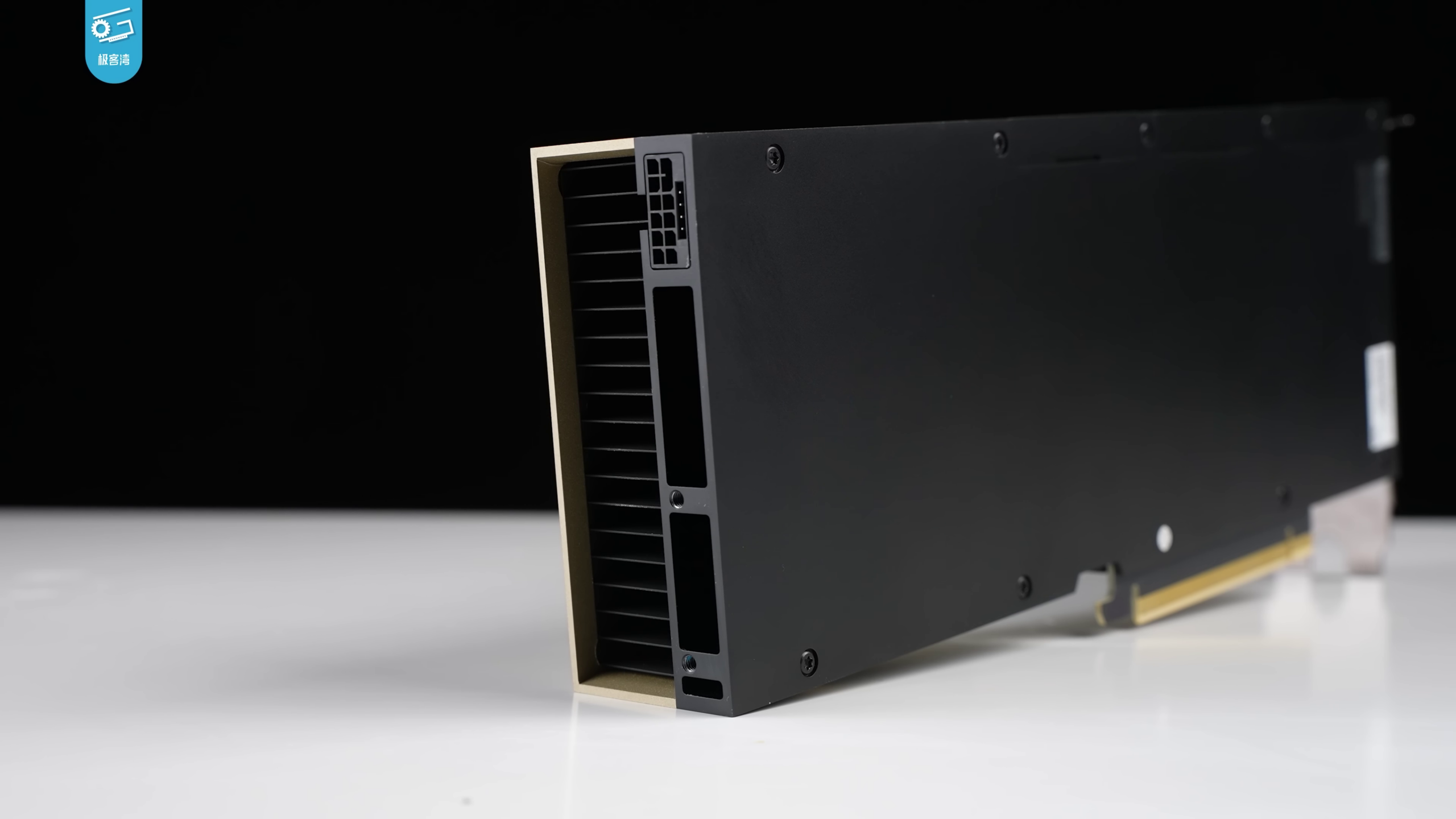
Archival video still NVIDIA H100 (极客湾Geekerwan) 017.png by 极客湾Geekerwan from June 14, 2023, via Wikimedia Commons under CC BY 3.0. Original artwork and creator watermark retained. Used as hardware context, not benchmark evidence.