Janas adds Windows support for local AI models larger than RAM

Janas added Windows support on October 12, broadening access to an experimental local AI runtime designed to work with models larger than a computer’s RAM. The project’s release list includes Windows and Linux packages for version v2026.10.12 and the subsequent v2026.10.12.1 update.
The project was already public in September. Developer Maurizio Cammalleri’s September 25 call for testers described running a large Qwen model by reading selected parts from an SSD. The current news is a broader distribution and platform release.
Which computers can run it
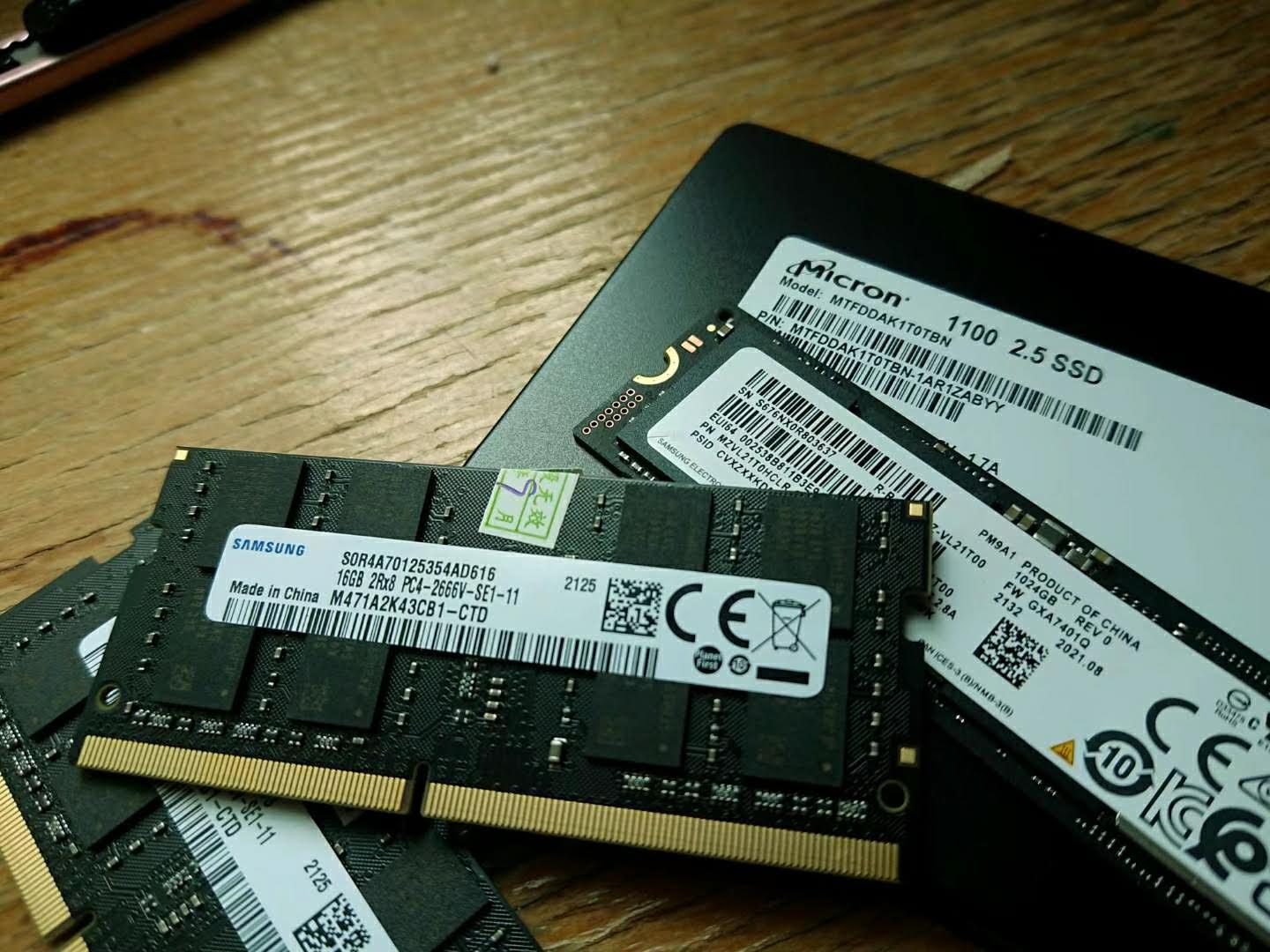
The installation guide lists Linux and Windows on 64 bit x86 processors, with Windows 10 version 1903 or later and Windows 11 supported. It recommends at least 16 GB of RAM, rising to 32 GB or more for large models, plus an NVMe SSD. An optional GPU needs a Vulkan 1.3 driver. AVX2, FMA and F16C processor instructions are recommended for useful speed.
The downloadable Linux build targets Ubuntu 22.04, Debian 12 and newer systems. These packages do not establish native support for Apple silicon, macOS or Windows on Arm.
Those memory recommendations need to be read model by model. The model catalog lists some smaller options for 8 GB machines. Its Qwen3 Next 80B entry is a 48.4 GB file intended for a 32 GB computer. The storage requirement remains substantial even when every model weight does not need to stay in RAM.
What changed in the new packages
The October 11 release notes introduced ready built Linux packages and direct downloads of converted JNS model files. This removes the local conversion step for models available in that format. Files are checked against published fingerprints, and the developer promises continued readability for the published version 2 JNS files.
The October 12 changelog adds Windows builds of the programs, libraries and services, including Vulkan GPU support. Windows handles expert reads through its own storage facilities. A further update lets the benchmarking program select models by catalog name. The earlier forum announcement still says Windows is forthcoming because it predates these releases.
Why the SSD matters
In a mixture of experts model, each token uses selected expert components. According to Cammalleri’s technical explanation, Janas reads needed experts from storage and keeps frequently reused ones in memory. It can also fetch likely upcoming experts while computation continues. This makes the SSD part of the active inference process.
There is also a quality tradeoff under tighter memory pressure. When its expert cache holds less than a fifth of the model’s experts, Janas can omit lightly weighted experts that would require disk reads. Cammalleri reports fewer matches with a reference model’s most likely tokens when using this technique. That behavior can alter outputs.
The practical question is therefore broader than whether a model starts. A useful evaluation should ask how quickly it answers your own prompts, how much memory remains for other applications, and whether the output still meets your needs. Capacity, speed and answer consistency are separate tests. A larger model file alone settles none of them.
What the reported speeds establish
The developer’s published comparison reports 24 tokens per second for Qwen3 Next 80B without draft generation, compared with 2.8 for llama.cpp, on a Core Ultra 9 185H laptop running Debian 13 Linux, with 32 GB of RAM and NVMe storage. The better known figure of 37 tokens per second uses speculative drafts checked by the main model. These are developer measurements on one laptop.
The comparison uses a September 18 llama.cpp build and different benchmark procedures. Its largest model required a modified llama.cpp build and specific memory settings. These details matter when interpreting the gap. The figures do not establish a general speed advantage across processors, drives, operating systems or everyday workloads.
There is limited testing beyond that laptop. A September 27 community report describes successful build, conversion and answer checks on a small Colab virtual machine. Its author explicitly says the tested model fit in memory. That result provides a narrow portability check, without independently validating the larger than RAM performance claim.
A reasonable starting point
Janas remains experimental. The project warns of changing interfaces, heavy memory and disk use, possible desktop stalls and a GPU driver reset during development. Its code is available under GNU GPL version 3 or later.
The model licensing document draws a separate boundary around the weights. Converting a model into JNS does not place it under the engine’s license. Its original terms still apply. Anyone planning to redistribute converted files or incorporate them into a product needs to check the chosen model’s permissions.
For a first evaluation, a smaller catalog model offers a more manageable way to check that the runtime behaves sensibly on your computer. Record the release, model, memory use and response quality before trying something that exceeds RAM. The Windows release makes that experiment accessible to more PC users. Whether it is worthwhile still depends on the machine and the work.
Our coverage of Infernix’s Windows cache fix examines another runtime problem facing local model users.