Clef Omni adds audio and video on Workers AI

Cloudflare added Clef Omni to Workers AI on October 9, bringing audio and video inputs to its decision model lineup.
Clef Omni scores the answers an application permits instead of composing text. The distinction matters when software needs a label or a routing choice.
Read our earlier coverage of the original Clef launch.
Choose the endpoint before the model
Workers AI documentation lists a 64,000 token context and $0.15 per million input tokens, including media, with no output token charge. Requests accept up to four audio clips and two videos. Each video is limited to 60 seconds and each audio clip to five minutes. Combined decoded audio and video must fit within 16 MiB. Media and questions consume context first. Excess media causes failure, while text is truncated to fit.
As checked on October 10, OpenRouter supports only text and images for Omni. Audio and video remain pending there. Its catalog lists 65,536 context tokens. That listing should not be substituted for the separate Workers AI limit.
Consider a hypothetical media archive classifying event footage. Hearing a crowd react could matter for one label, while a still photograph may be enough to identify a venue sign. Write separate acceptance cases for those decisions. Ask a reviewer to assess the same examples, and keep an unresolved category for material that lacks enough evidence.
Moving a request takes more than a new model name
OpenRouter’s image guide requires base64 data URLs as image_url parts inside the state array. It rejects a separate images field. Remote image URLs are not fetched, and images nested inside other state objects are ignored. Text entries in that array must be plain strings.
The Workers AI schema uses separate images, audio and videos fields.
Treat payload conversion as its own migration step. Keep a small example with an unmistakable visual answer, then inspect the response against that answer. An accepted request alone does not establish that the intended evidence reached the model. Repeat the check through the exact route the application will use.
Flash gets cheaper with less hosted context
Cloudflare cut Flash input pricing from $0.090 to $0.038 per million tokens and reduced hosted context from 64K to 24K. Its current documentation specifies 24,576 tokens.
OpenRouter dates Flash to October 1, before the Omni release. Its Flash page still lists 65,536 tokens and a roughly 2,000 token text truncation note. These descriptions remain inconsistent with Cloudflare’s current documentation. Confirm behavior on the intended provider before depending on long inputs.
Cloudflare also reports serving improvements for the original Clef with unchanged weights. The published speedups are company measurements, not independent tests.
For an existing workflow, preserve a known long example before changing settings. Put a fact needed for the expected answer near the end, then check whether the result still depends on it. Log failures and missing evidence separately from wrong decisions. That gives a migration review something more useful than a lower token price.
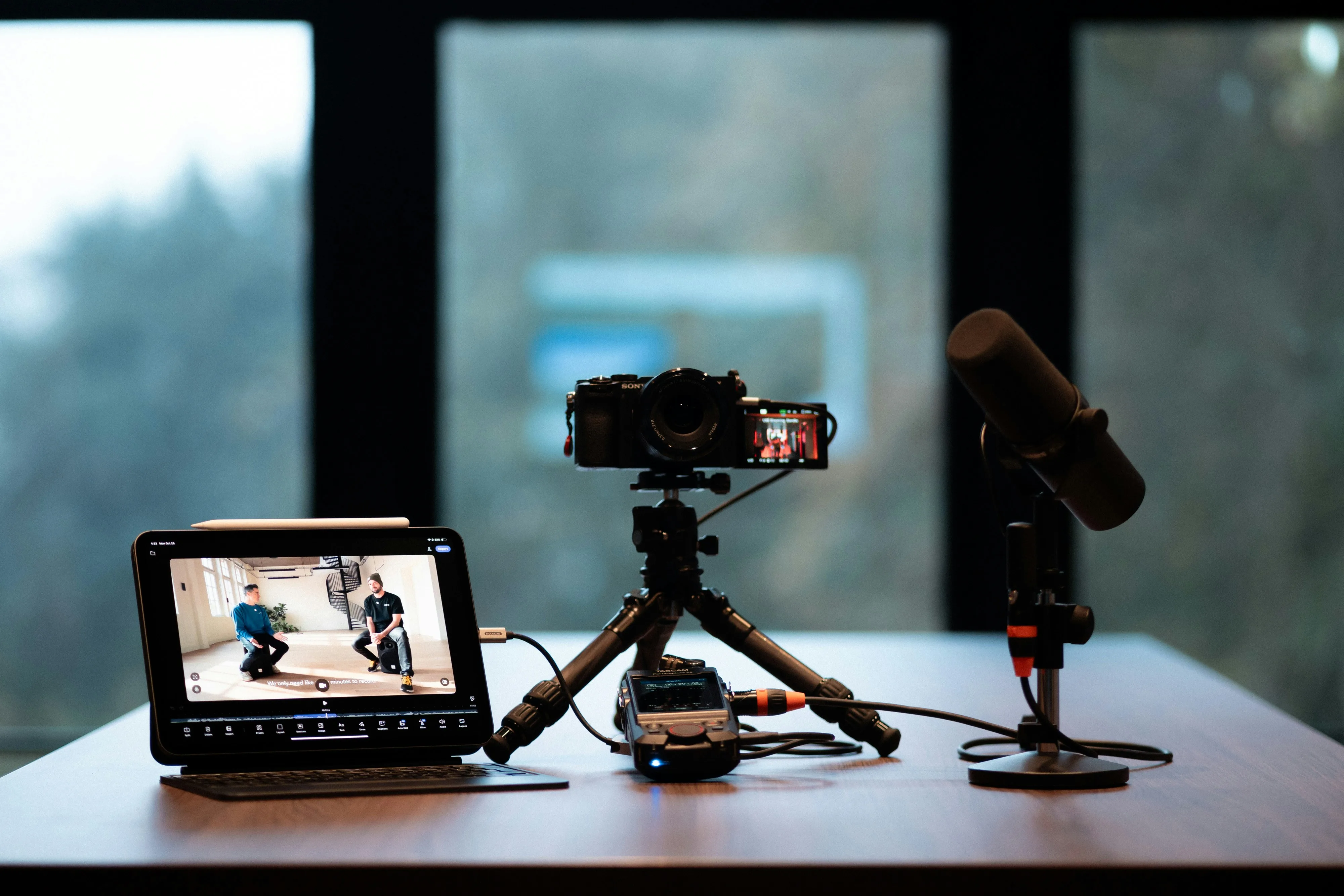
Recording equipment for audio and video. Illustrative photo by Detail .co on Unsplash.