ASUS opens ProArt RTX Spark laptop preorders

ASUS opened preorders for its ProArt P14 and P16 laptops on October 7, bringing NVIDIA RTX Spark hardware to Windows PCs aimed at local AI work. US starting prices are $2,599.99 for the P14 and $2,799.99 for the P16.
ASUS says the first US units are due October 16. Its compact ProArt GR1X desktop will follow later this year. Timing and configurations vary by region.
The laptops pair NVIDIA Grace CPUs with Blackwell RTX graphics and offer up to 128GB of unified memory. That maximum applies to selected configurations, so the entry price should not be read as the cost of a 128GB system.
ASUS is also connecting the hardware to Hermes Agent from Nous Research and ComfyUI. The company describes workflows that let an agent work with creative tools and run image or video generation locally. Its MuseTree application is part of that software offering.
The product guidance includes support for selected large language models with suitable software and quantization. ASUS labels its workload examples as illustrative capacity guidance rather than validated performance for individual configurations. Usable memory also depends on the operating system and other applications.
For buyers, the useful next step is to check the exact model and workflow they want to run. Memory capacity alone cannot establish response speed or output quality. Local processing can make routine experimentation easier to budget, but a workflow that calls cloud services can still incur separate charges.
For a separate local AI desktop option, read our DGX Spark 64GB coverage.
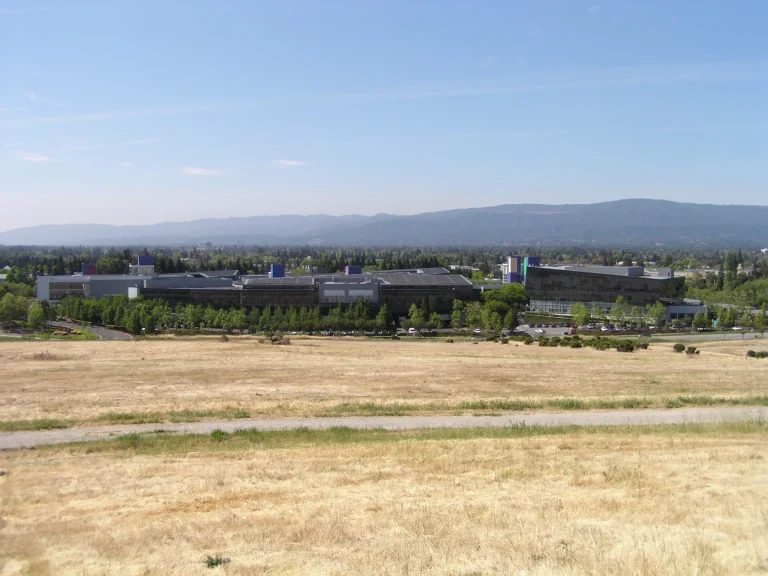
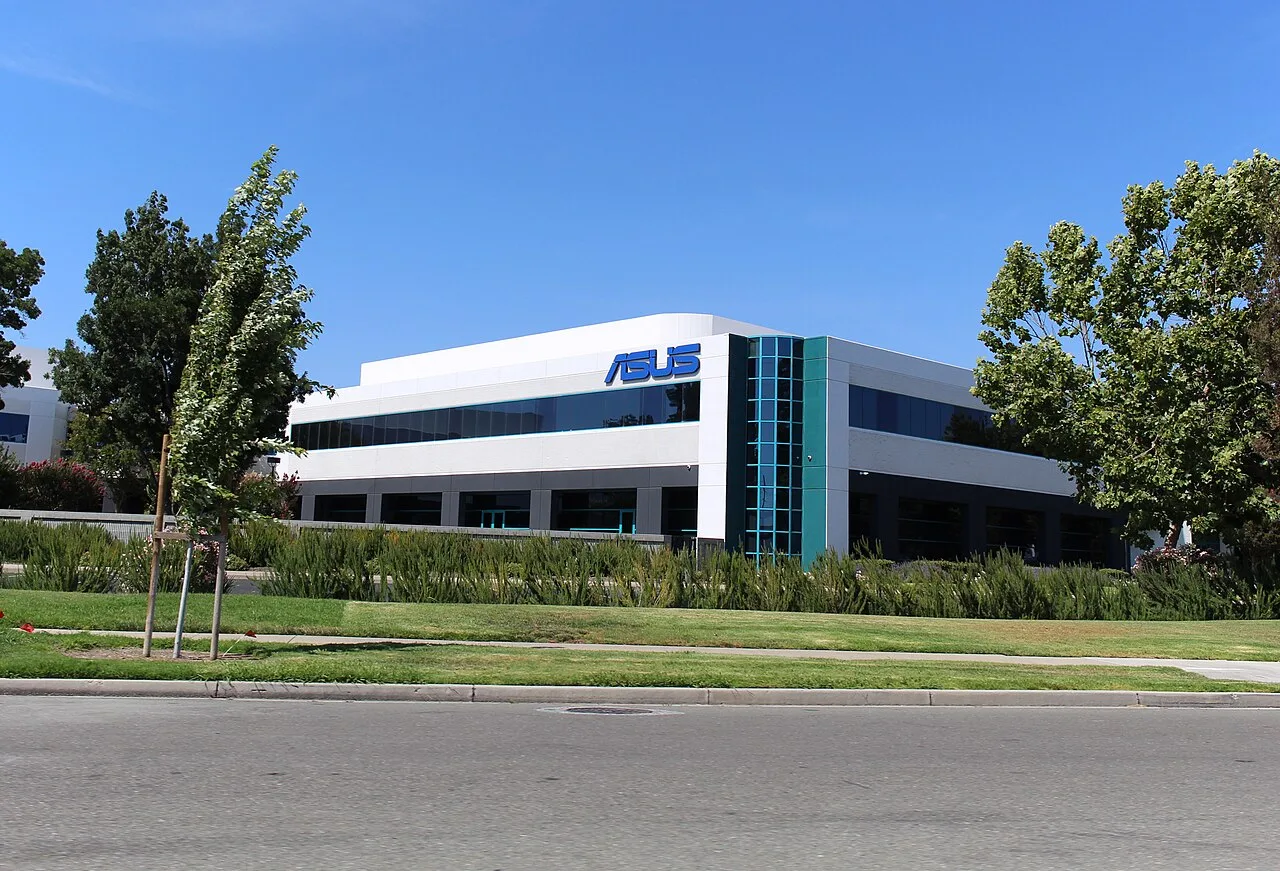
ASUS headquarters in Fremont, California, photographed in 2021. Photo by Coolcaesar via Wikimedia Commons, Creative Commons Attribution ShareAlike 4.0. Converted to WebP.