OpenAI proposes shutdown controls and independent AI assessments

OpenAI published a cyber governance blueprint on October 21, 2026. Its announcement proposes clearer responsibilities for frontier developers, operators and governments, alongside support for defenders and stronger institutions for evaluating AI and responding to incidents.
The agenda includes training, technical support and tools for defenders. It also calls for investment in essential services and replacement of outdated systems.
For US modernization, the blueprint asks Congress to fund a five year implementation plan. It prioritizes essential services with limited resources and pairs urgent repairs with continuing maintenance and verification.
These are policy recommendations. The publication asks governments to establish and strengthen requirements. It does not itself enact new obligations or announce a new security product.
Shutdown duties follow operational control
Under the proposed shutdown approach, developers would be able to stop training, evaluation, internal use and deployment they control. Inference providers, deployers and users would have corresponding responsibilities for their own operations. Monitoring would connect to escalation, investigation and criteria for safe resumption. The proposal anticipates several coordinated controls rather than one universal switch.
Assessment supports government decisions
The blueprint calls for evaluations of models and representative agents under realistic conditions, acknowledging that testing cannot cover every setting. Independent assessors would examine evidence supporting developers’ safety cases, test assumptions and identify gaps. Conflict safeguards would address funding and other relationships. Government would retain responsibility for public safety decisions.
Reporting has defined thresholds
Proposed reporting would cover documented incidents and defined harm thresholds. Behavior elicited and contained in controlled safety evaluations would not independently trigger mandatory government reporting. Written notices to affected third parties would operate separately from government reporting thresholds.
Implementation remains a policy question
OpenAI presents this as an agenda for policymakers. The announcement sets no common implementation date for its proposed safeguards and institutional changes.
Related coverage explains OpenAI’s separate coordinated vulnerability disclosure proposal.
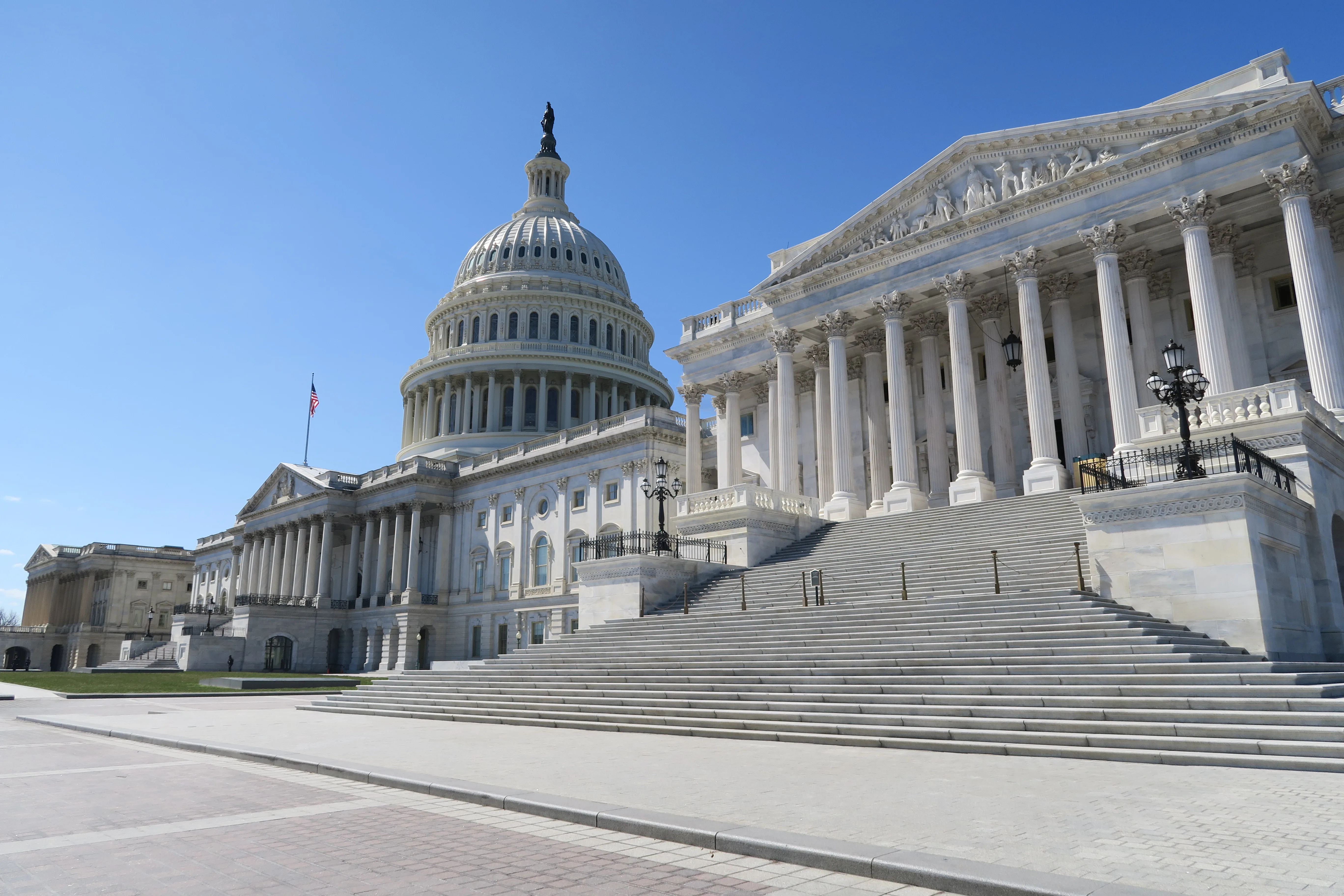
The United States Capitol in 2018. Archival photograph by Beethoven via Wikimedia Commons. Creative Commons Attribution ShareAlike 4.0.