Former OpenAI engineer charged over hidden conference room recorder

A former OpenAI engineer faces a federal charge of using or trying to use a device to intercept oral communications. The Justice Department announced the case on October 13, 2026.
Abdulrahman Alfozan was arrested on October 9 and first appeared in federal court on October 13. He is presumed innocent.
What prosecutors allege
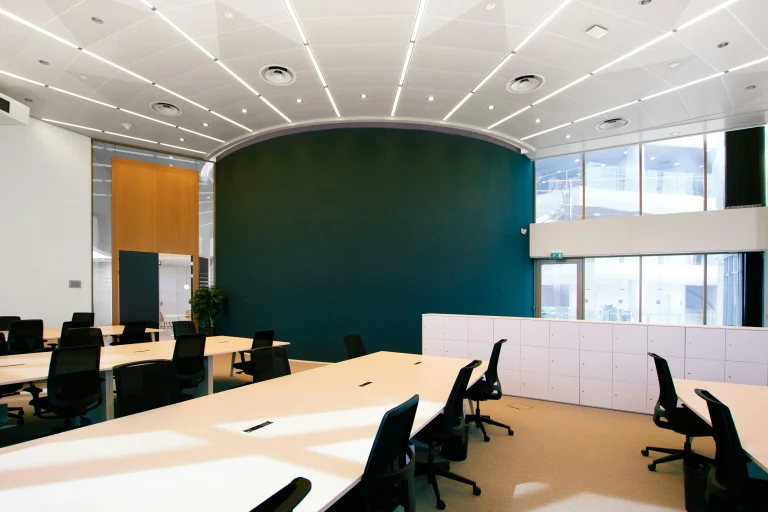
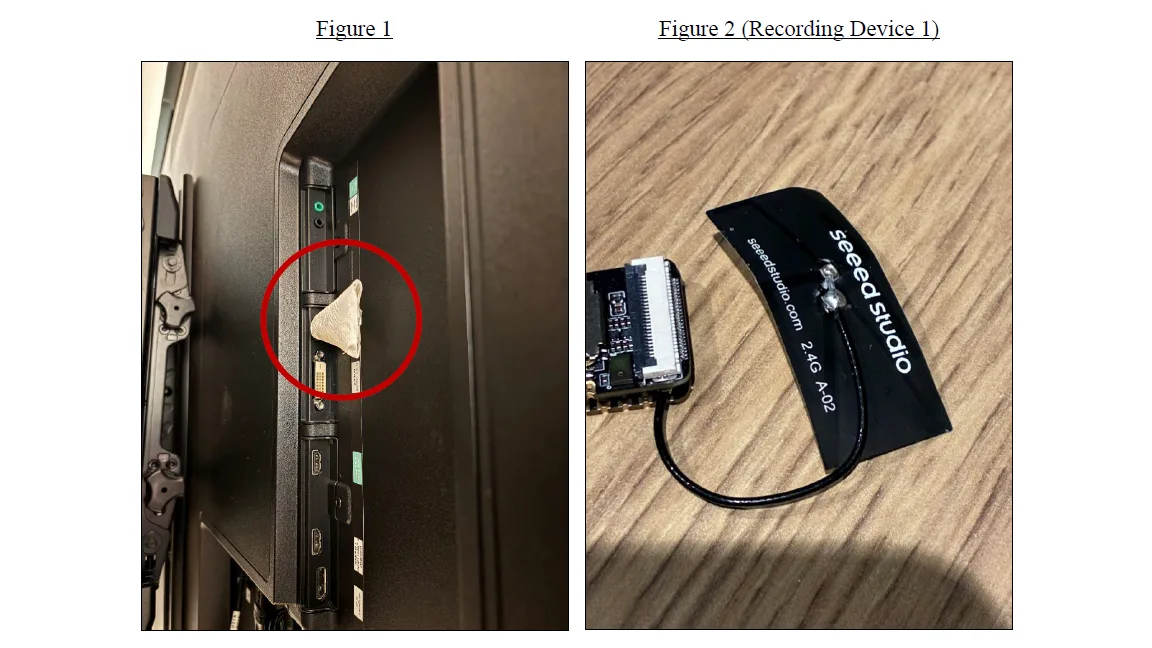
According to the department’s account of the complaint, staff found a recorder in San Francisco on September 30 in a USB port behind an executive conference room television. OpenAI dated its installation to around September 28. Prosecutors allege that security staff found a similar device in his unattended bag on October 5.
His lawyer, William Pernik, urged caution about premature conclusions and politicizing nationality in comments to CBS News.
How OpenAI describes its investigation
OpenAI says it fired the employee and currently has no indication of improper access to or removal of model weights, source code or customer data. The San Francisco Standard reports that the company’s surveillance countermeasures team discovered the device during a room inspection.
According to the Standard, OpenAI said its models helped analyze forensic copies of the device’s storage and changes in the underlying data. It said access to company systems and spaces was restricted while it coordinated with the FBI. These are OpenAI’s descriptions of its investigation.
The distinction matters when evaluating the AI claim. A useful account would explain which model was used, what it examined and how people checked its conclusions. Assistance with examining evidence can be valuable while still requiring an independently verifiable explanation of how that evidence connects to an individual.
The physical boundary still matters
OpenAI had already described a layered security approach in December 2025, including access restrictions, monitoring, detection systems and a dedicated program addressing risks from insiders. That earlier statement provides context for the company’s stated safeguards. It does not establish how any particular control performed during this incident.
NIST’s security control catalog offers a practical reference point. Its physical access monitoring control calls for monitoring facilities, reviewing access logs and coordinating findings with incident response. It identifies unusual patterns of access, including repeated access to areas outside a person’s normal routine, as activity that may deserve attention.
ByteForward’s analysis is that protecting an AI company requires attention to the places where people discuss its work. A meeting can contain decisions about research, product timing or commercial priorities even when the underlying files stay protected. Security reviews should therefore consider room access and the equipment inside those rooms alongside accounts and repositories.
What to watch next
A detention hearing is scheduled for October 19.
The questions to follow are what, if anything, was recorded and whether it reached anyone else. A fuller account of AI’s contribution should explain how investigators checked its conclusions.