Microsoft plans Maia 300 rollout in 2027

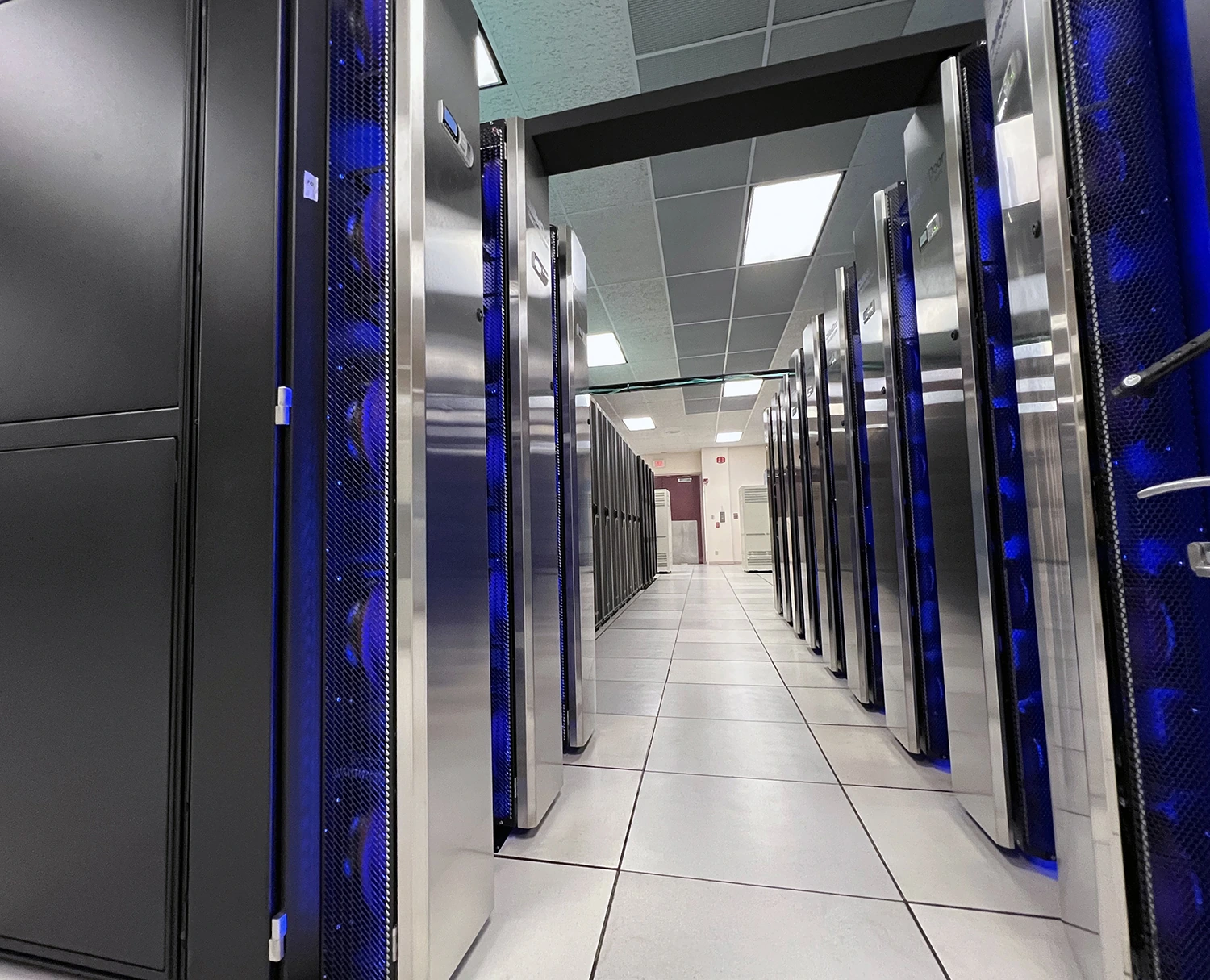
Microsoft plans to begin deploying Maia 300 in 2027 as it expands its custom AI infrastructure to multiple gigawatts. The October 12 announcement sets a future production timetable for the new accelerator.
The company says Maia 200 already supports Microsoft Copilot and its MAI model team, with GitHub Copilot and Microsoft Foundry due to follow by the end of 2026. Microsoft intends the Maia family to become its main inference system across its products and services.
An existing platform grows
Maia 200 was introduced on January 26. Microsoft said then that it was deployed near Des Moines, Iowa, with Phoenix next. That earlier announcement matters because today’s production update builds on an existing rollout. Maia 200 used 216 GB of HBM3e memory with 7 TB per second of bandwidth, establishing the memory baseline for its successor.
The January announcement also offered an SDK preview with PyTorch support, a Triton compiler and access to a lower level programming language. It gave developers a way to explore model optimization for Maia 200. Those tools belong to the earlier generation and do not establish public access to Maia 300 today.
Moving less data
Microsoft’s architecture explainer specifies eight HBM4 memory stacks per Maia 300 accelerator, providing 288 GB of capacity and 18 TB per second of bandwidth. Compute chiplets use TSMC’s N2P process, while memory controllers and input and output functions sit on separate dies.
Software can place data near the compute region that needs it. The aim is to spend less energy moving information while supporting long conversations and repeated generation steps. The design can separate the processing of an incoming prompt from the generation of its answer, allowing those workers to be sized independently.
A rack holds 96 accelerators within a 167 kW power envelope. Ethernet based networking can connect up to 128 racks, or 12,288 accelerators, into a shared system.
Microsoft also describes spare accelerators in other racks taking over unavailable capacity. Keeping that substitution inside the same network trades some communication latency for better availability and use of installed hardware.
What the numbers measure
Microsoft claims up to seven times Maia 200’s token throughput for a full Maia 300 rack. That configuration contains twice as many accelerators, so the comparison measures a larger system rather than the speed of an individual chip.
Separately, Microsoft expects 40 percent more tokens per megawatt than leading GPU systems. Its announcement does not identify a comparable benchmark protocol. This remains a vendor projection, with production deployment planned for 2027.
Our coverage of HPE’s Helios rack order also distinguishes announced infrastructure from capacity customers can use.