FOX Nation makes Houdini an AI documentary narrator

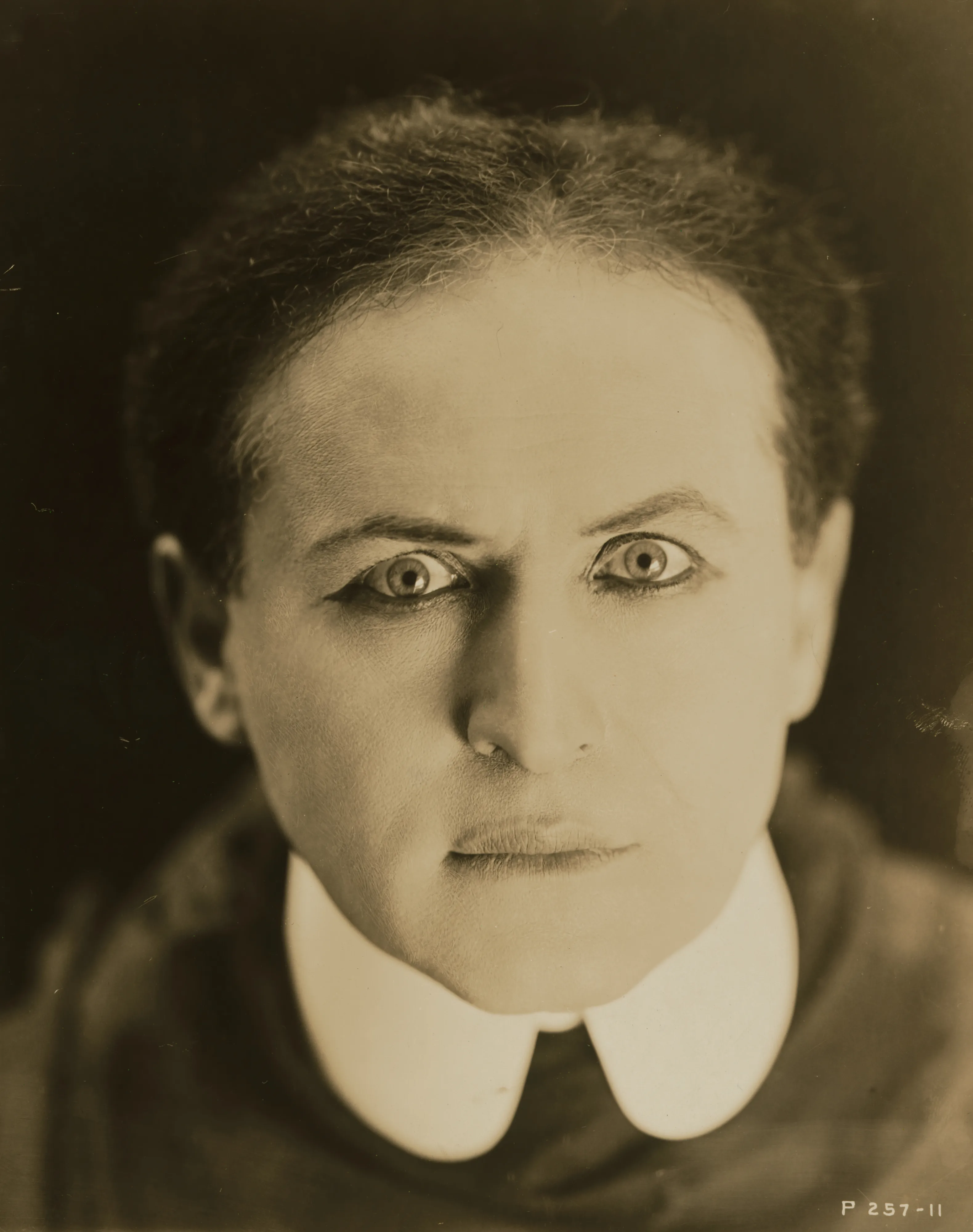
FOX Nation has announced Houdini Back from the Dead for October 14, 2026. Produced by Red Rock Films, the three episode series uses AI imagery to imagine the magician in a modern documentary interview.
How the reconstruction was made
In its October 8 announcement, FOX Nation says actors supplied performances and humans wrote the scripts. AI transformed the performers into historical figures. Licensed footage and more than 400 photographs provided visual source material. Dialogue draws on written records, and the company says archival research and experts supported the historical claims.
The platform describes this as its first full length series using entirely generated imagery. The claim concerns FOX Nation’s own programming. It establishes no industry first.
What the producer says about its tools
Red Rock’s AI production page describes a workflow built around filmmakers and editors. Its services include historical recreations, visual effects and archival restoration, with multiple camera angles and continuity work intended to make generated material usable in a finished sequence.
The company says it evaluates platforms for commercial rights, ownership, confidentiality, data retention and training policies before introducing client material. It also says it works with clients’ legal teams and avoids platforms that train on client content. These statements describe the company’s general approach. They do not identify the tools used for Houdini or document the clearance of every element in this production.
Disclosure has to reach the viewer
The Archival Producers Alliance’s transparency guidance offers practical ways to keep synthetic material distinguishable from historical evidence. Suggested methods include labels within the picture, a recognisable visual treatment and an acknowledgement by a narrator or character.
The alliance also recommends disclosure in publicity and programme credits, while warning against relying only on opening or closing notices. A viewer may arrive midway through a programme, and a clip may circulate separately from the full work. For a reconstruction built around interviews, that makes the handling of individual excerpts particularly important.
Its separate crediting suggestions go further into the production record. They identify software names and versions, source material used for model training and tools that altered archival images as information filmmakers can include. The guidance also addresses crediting artists who created synthetic material. These are recommendations from an archival industry organisation, rather than a certification of this series.
What remains to be established
The announcement does not name the historical reviewers or specify how individual scenes will disclose their use of AI.
The alliance’s sample credits also show how productions can identify historians and explain what those experts checked. That approach could help viewers trace a scene to its sources and separate an archival record from later interpretation.
The useful questions when the series arrives are concrete. Can viewers recognise a recreation wherever they encounter it? Can they identify the evidence behind an attributed statement? And do the credits make the contributions of performers, researchers and image artists clear? Those questions concern the reliability of the storytelling as much as the realism of the images.
The official trailer is available from FOX Nation. This article examines the production announcement and documentary guidance. It does not assess the trailer’s imagery or the finished episodes.