
PointWAM predicts robot hand movements in three dimensions
Human video training improves a manipulation model in simulated tests

A paper submitted on October 2 describes PointWAM, which predicts hand and scene motion as three dimensional points before converting hand forecasts into robot actions.
Human demonstrations supply training data
The researchers use 1.15 million human demonstration episodes before training on robot demonstrations. Across ten simulated DexJoCo tasks, they report 69.0% average success versus 57.3% for their strongest baseline.
Physical evidence remains limited
The study tests two physical tasks with 24 trials per task for each method. On the harder RoboDojo Precision simulation, average success reaches only 4.8%. These are authors’ results, not independent replication. Point spacing can hide fine details, and transparent objects challenge depth sensing. The project page says code is coming soon.
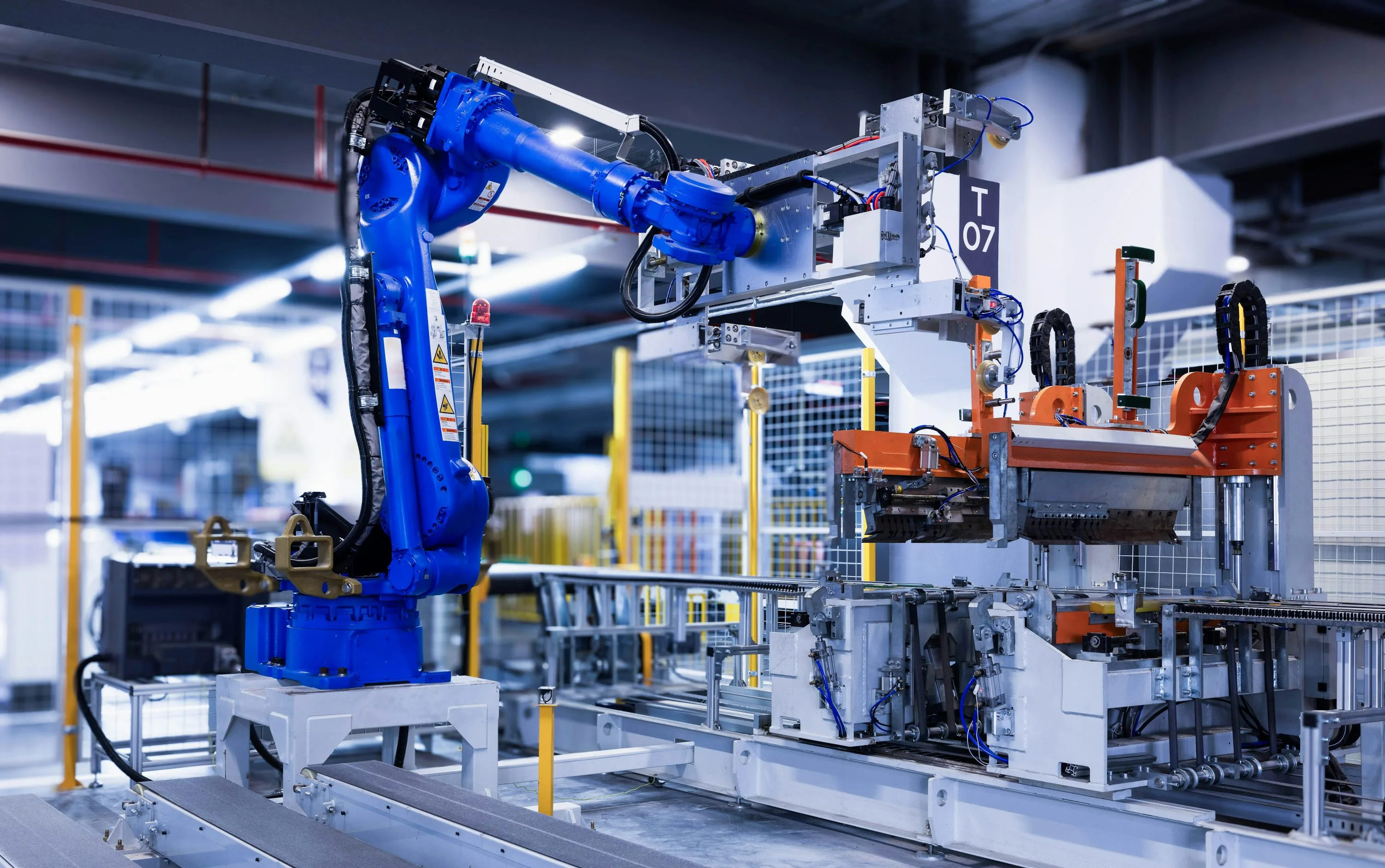
Archival industrial robot photograph by Homa Appliances, published in May 2024, under the Unsplash License. This illustrative image does not show PointWAM or its tested robot. Source supplied JPEG rendition with no local edits. No endorsement is implied.