Antigravity’s Argon and Concierge clues need separate tests

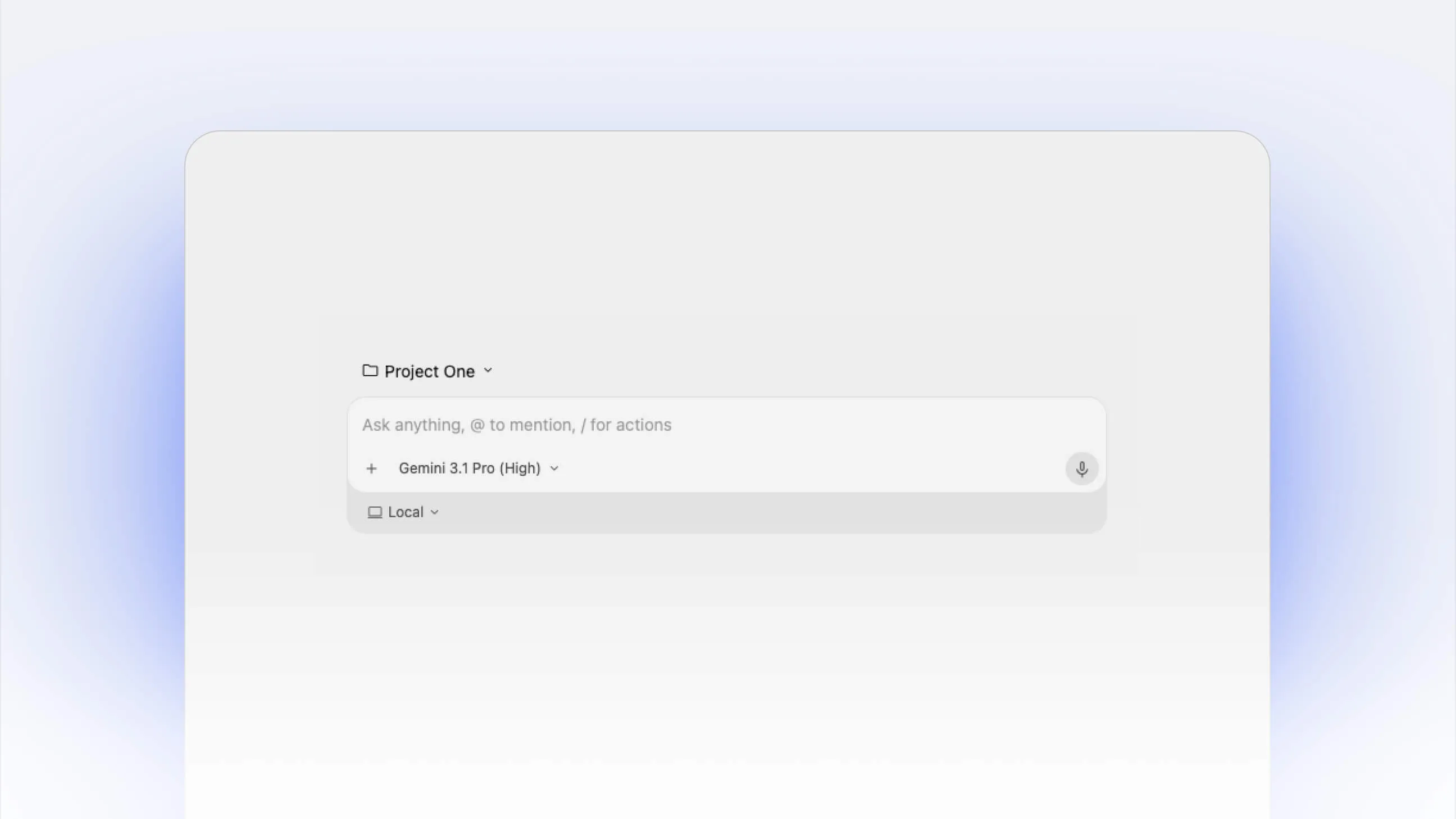
TestingCatalog’s October 7 report describes Argon related upgrade labels, a Concierge voice prototype and a possible Auto mode in Google Antigravity. Its screenshots show a developer only toggle and a voice activity strip. Auto is described through reports rather than demonstrated behavior. Release timing and final approval rules remain unconfirmed.
The useful way to read these clues is to separate model access, spoken instructions and tool permissions. Each changes a different part of a developer’s workflow. Evidence for one cannot settle the other two.
Argon access needs product confirmation
Google announced Gemini 4 Argon on September 30 with initial access for trusted cyber defenders. Its planned wider rollout starts with paid API customers and Google AI Ultra subscribers. That establishes an announced model and an intended rollout sequence. It does not establish availability inside Antigravity.
The current Antigravity model table lists Gemini 3.8, 3.7 and 3.6 Flash, Gemini 3.1 Pro and other models whose availability varies by plan. Argon does not appear in the table checked on October 9. The documentation also says a model change made during execution takes effect after the current turn finishes or is cancelled.
For a future access check, record the account plan, app version and selected model before starting a fresh task. A subscription offer or campaign label provides less evidence than a selectable option with documented eligibility. Even then, a visible model name is a product claim rather than independent verification of the serving backend.
Voice already has an existing baseline
Google’s Antigravity 2.0 product page already describes live voice transcription for creating prompts.
The CLI voice documentation is more specific. Its voice command records speech into the prompt box, where the transcript can be edited before submission. Stopping the recording does not send the prompt automatically. The documented CLI feature currently excludes business and enterprise accounts. These details describe that existing CLI workflow.
A useful test of a conversational assistant would go further. Can the developer interrupt a request, correct a misunderstood filename and see the instruction that will guide the work? Does the system clearly distinguish discussing a change from authorizing it? Those are proposed evaluation questions. ByteForward has not tested the reported prototype.
Auto needs a permission contract
The current Antigravity 2.0 permission documentation already describes Default, Request Review and Turbo presets for macOS and Linux. Default permits terminal work inside a sandbox and requests approval for work outside it unless a rule covers the action. Turbo has broader access. Explicit rules take precedence over presets, with Deny ahead of Ask and Allow. Google documents a different current system for Windows.
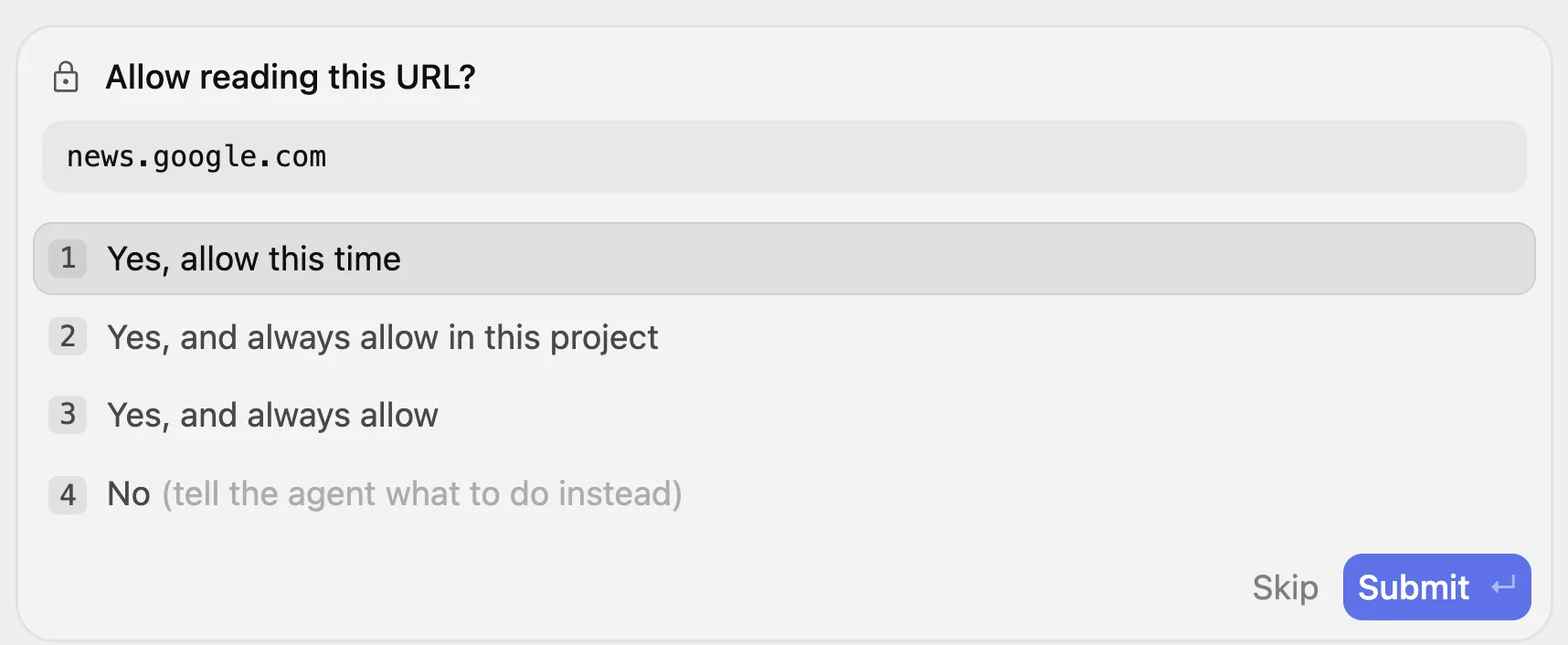
Fewer interruptions can come from a narrower task, an existing allow rule or a broader permission preset. Counting prompts alone cannot reveal which explanation applies. A meaningful comparison would repeat the same task with the same files, operating system and configured rules, then inspect which operations were allowed and why.
That comparison should include a harmless boundary check using disposable files. Ask the agent to work inside a test folder while keeping a second folder out of scope. Observe the approval behavior and whether an explicit denial is respected. Keep real credentials and production systems out of the test.
What would turn clues into a release
The Antigravity changelog lists version 2.21.1 for October 7, covering search, automations and grouped agent actions. The returned changelog text checked on October 9 contains no named entry for Argon, Concierge or Auto mode. That is a bounded documentation check and leaves internal testing possible.
A release notice should identify the product surface, supported accounts and permission behavior. A reproducible session should then show the feature completing a defined task. Until those pieces align, the strongest conclusion is that these are separate product questions with different evidence requirements. Developers should assess the capabilities available in their own account before changing plans or workflows.